Malang, Indonesia: 10 Amazing Places to Visit From Heritage Streets to Mount Bromo
When travelers think about Indonesia, destinations such as Bali, Jakarta, and Yogyakarta often come to mind first. However, East Java offers another fascinating destination that deserves more attention: Malang.
Located in the highlands of East Java, Malang is known for its cooler atmosphere, historic neighborhoods, mountain scenery, colorful villages, local food, and easy access to some of Indonesia’s most spectacular natural attractions. The city also sits within the wider Malang Raya region, which includes Malang City, Malang Regency, and Batu City.
For international travelers, Malang can be much more than a short stop before visiting Mount Bromo. It can be a destination in its own right, combining heritage, culture, family attractions, mountain landscapes, waterfalls, and memorable local experiences.
Here are some of the places that can make a trip to Malang and its surrounding region unforgettable.
1. Kayutangan Heritage
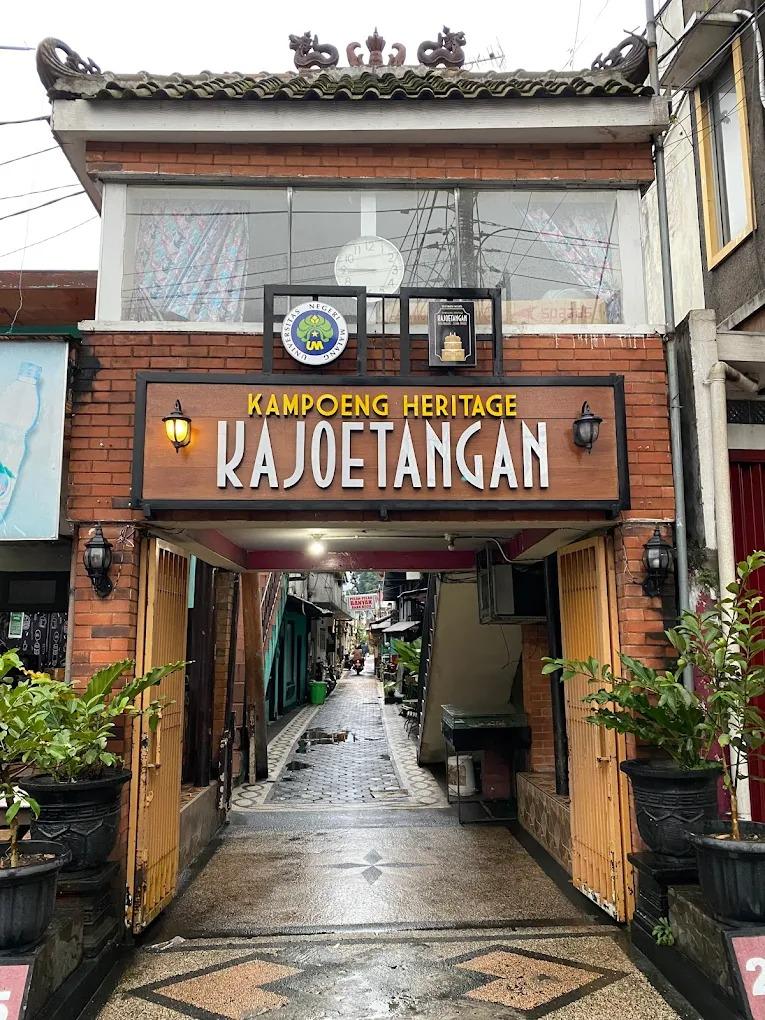
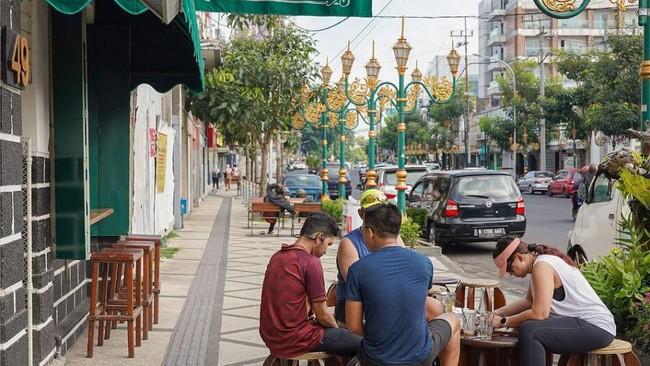
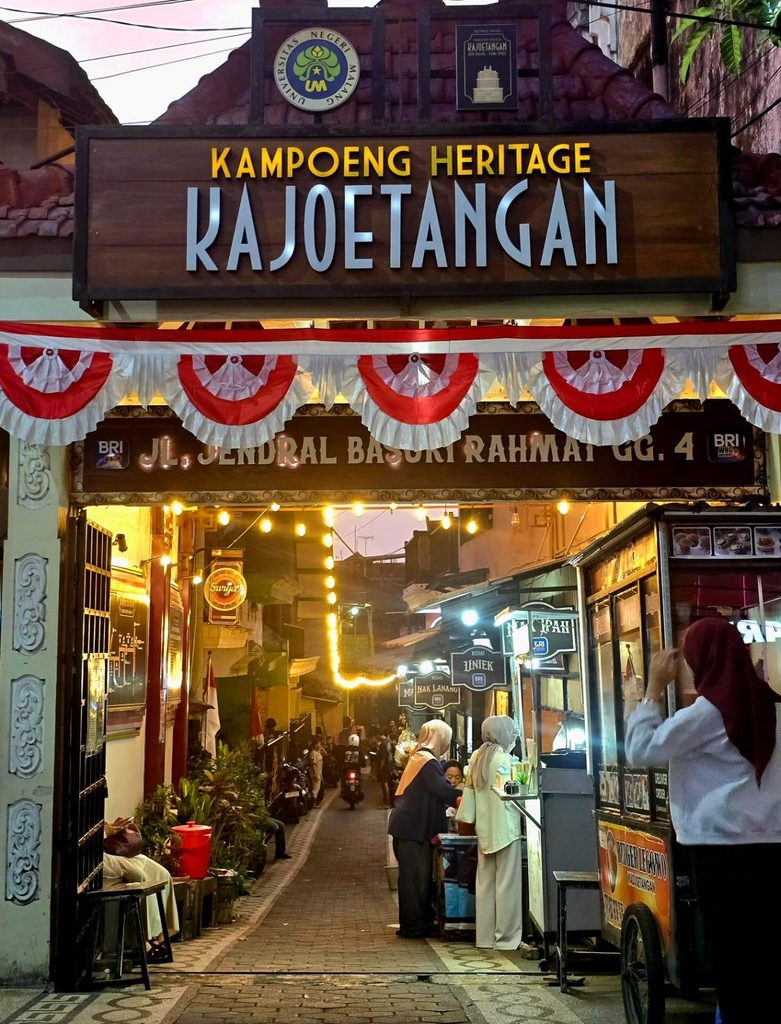
Kayutangan Heritage is one of the best places to begin exploring the character of Malang City.
Located in the center of Malang, this historic neighborhood preserves old houses, traditional lanes, heritage buildings, and traces of the city’s past. The area has been developed as a heritage tourism destination, combining history, culture, local food, photography spots, and everyday community life.
Walking through Kayutangan feels different from visiting a modern tourist attraction. Instead of simply looking at exhibits, visitors can experience a living neighborhood where historic buildings stand alongside small restaurants, cafes, shops, and local homes.
The area has historical roots stretching back many generations, while its colonial-era character became particularly visible during the development of Malang in the early twentieth century.
For photographers, Kayutangan is especially interesting in the morning or late afternoon when the streets have a softer atmosphere. It is also a convenient place for travelers who want to experience Malang without traveling far from the city center.
2. Tugu Monument and Malang City Square
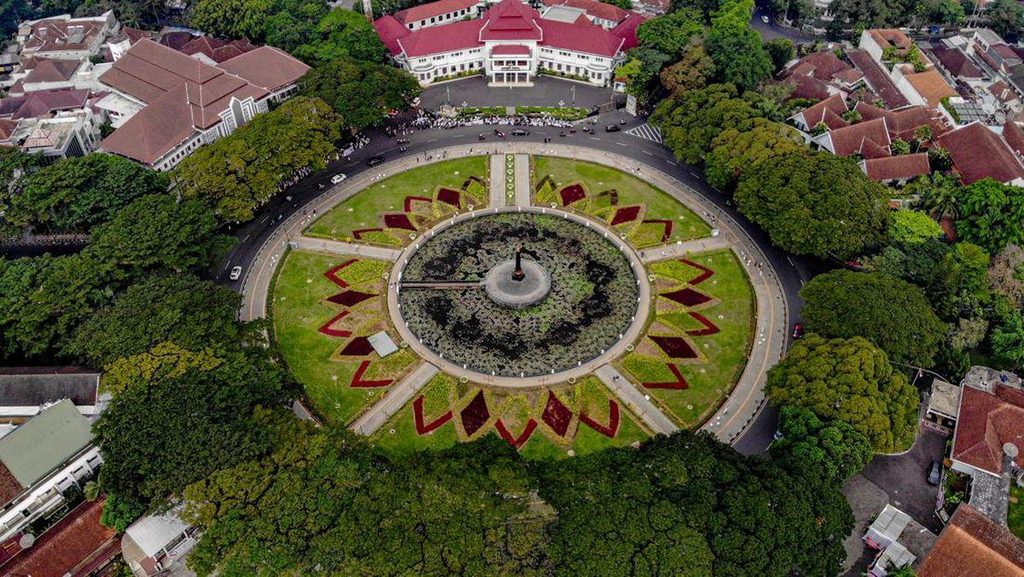
Another central attraction is the area around Tugu Monument and Malang City Hall.
Tugu Monument stands in a landscaped area surrounded by a pond and greenery, creating one of the most recognizable urban scenes in Malang. Nearby, visitors can also explore Malang City Square and several historic buildings.
This part of the city is ideal for travelers who enjoy architecture, public spaces, and urban history. The combination of old buildings, gardens, and busy city streets provides a different perspective of Malang compared with its mountain destinations.
The city government identifies Tugu, the city square, and surrounding heritage areas as important tourism attractions in central Malang.
A relaxed walk around this area can easily be combined with a visit to nearby restaurants, cafes, and other historical locations.
3. Ijen Boulevard
Ijen Boulevard is another destination for travelers interested in Malang’s architectural heritage.
The area is known for its wide streets, mature trees, landscaped surroundings, and historic houses influenced by colonial-era urban planning. Some of the architecture remains remarkably distinctive, making the neighborhood attractive for visitors who enjoy photography and slow travel.
Unlike a conventional theme park, Ijen Boulevard is more about atmosphere. Travelers can walk, take photographs, observe the architecture, and appreciate how the historical character of the city has survived alongside modern life.
The area is particularly appealing for visitors who want to understand Malang beyond its famous mountains and waterfalls.
4. Museum Angkut in Batu
For a completely different experience, head toward Batu City, which is part of the wider Malang Raya region.
Museum Angkut is a transportation museum featuring collections and displays related to transportation from different eras and countries. The attraction combines education, history, technology, and entertainment in a highly visual environment.
The museum is divided into themed areas that allow visitors to see classic vehicles and transportation exhibits in settings inspired by different places and periods.
It is also one of the easiest destinations in the region for international visitors who want plenty of photography opportunities without undertaking a physically demanding trip.
Museum Angkut is especially suitable for families, history enthusiasts, photography lovers, and travelers looking for an indoor attraction.
Its location in Batu also makes it convenient to combine with other attractions in the surrounding area.
5. Jatim Park and Batu’s Family Attractions
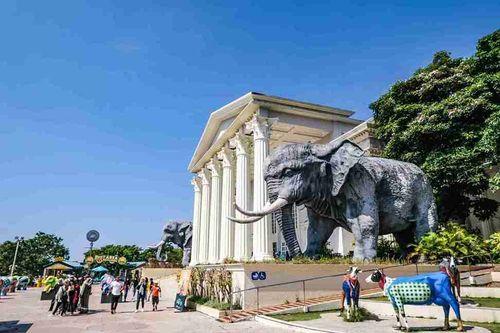
Batu is widely known for its collection of modern tourism attractions, making it a popular extension of a Malang trip.
One of the major attractions is Jatim Park 2, which includes Batu Secret Zoo and Museum Satwa. The complex combines wildlife experiences with educational elements and is designed for visitors of different ages.
The wider Batu area also offers other themed attractions, including Jatim Park 3 and various entertainment destinations.
What makes Batu interesting is the contrast with central Malang. Within a relatively short trip, visitors can move from historic city streets into a cooler mountain environment filled with family attractions.
For international travelers visiting with children, Batu can easily become one of the main parts of a Malang itinerary.
6. Mount Bromo
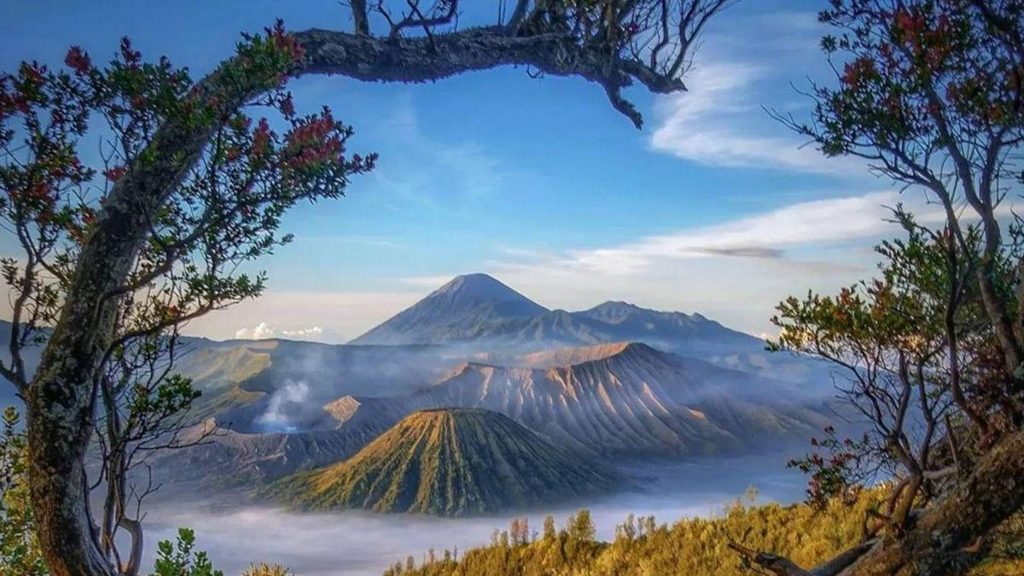
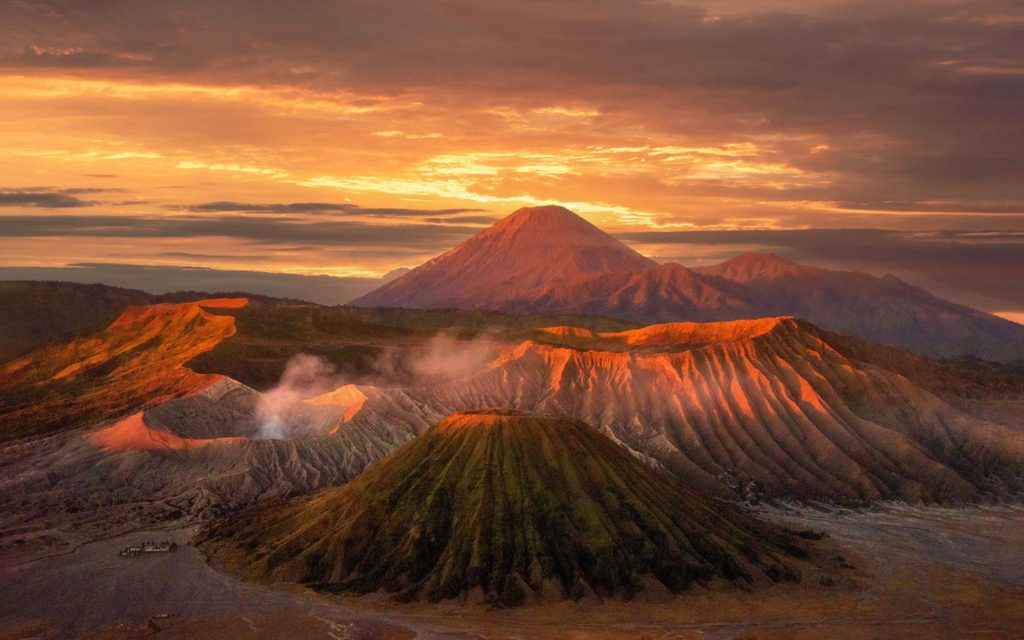
No discussion about traveling around Malang would be complete without Mount Bromo.
Mount Bromo is located within Bromo Tengger Semeru National Park, outside Malang City, but Malang is commonly used as a base or starting point for trips into the Bromo region.
Bromo is famous for its volcanic landscape, sunrise viewpoints, enormous sea of sand, and dramatic mountain scenery. The national park covers a large volcanic landscape and includes several volcanic peaks, with Mount Bromo being one of the active volcanoes in the area.
The experience usually begins very early in the morning. Travelers commonly leave their accommodation during the night to reach a sunrise viewpoint before dawn.
After sunrise, the journey can continue through the Sea of Sand toward Mount Bromo. The combination of volcanic terrain, morning mist, mountains, and changing sunlight creates an unforgettable landscape.
Bromo is particularly attractive to photographers and adventure travelers. However, conditions can be cold, windy, dusty, and physically demanding, so visitors should prepare appropriate clothing and footwear.
Travelers should also check current national park regulations and local conditions before visiting because access and activity restrictions can change.
7. Tumpak Sewu Waterfall
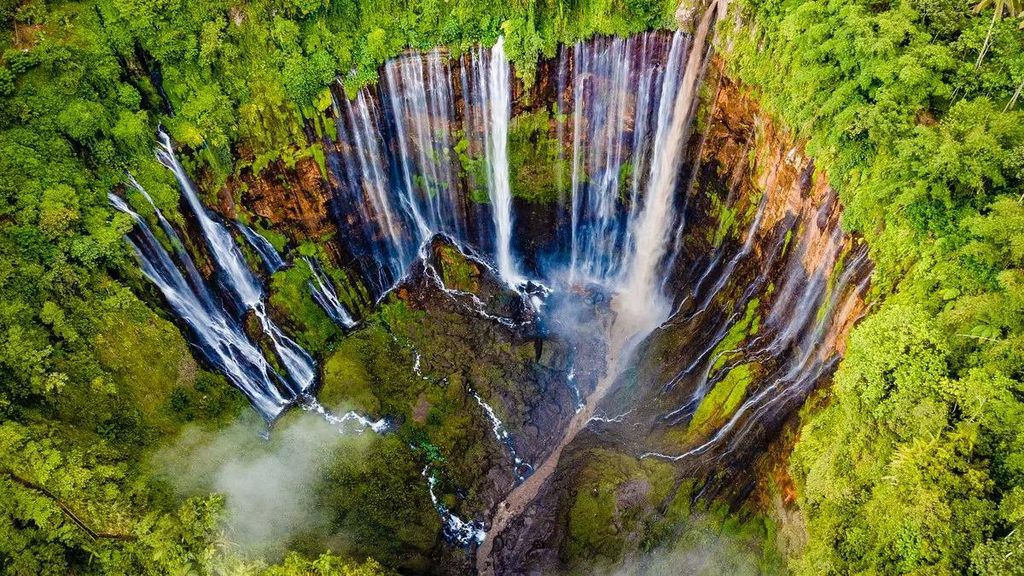
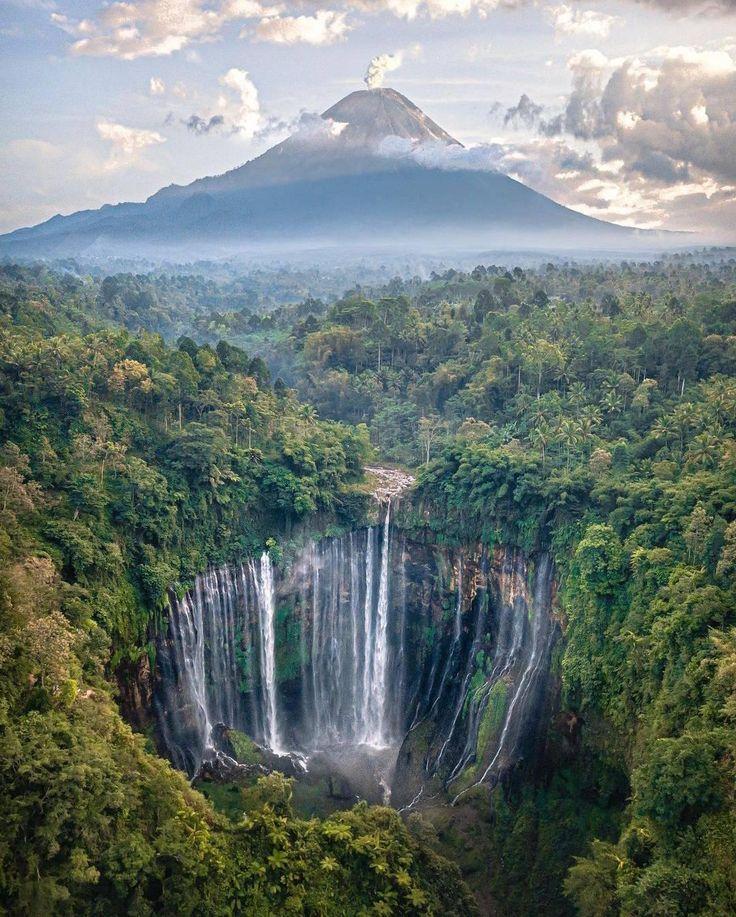
Another spectacular destination that can be explored from Malang is Tumpak Sewu Waterfall.
Tumpak Sewu is located in Pronojiwo, Lumajang Regency, near the border with Malang Regency. It is therefore not technically inside Malang City, but its proximity makes it a popular addition to Malang-based travel itineraries.
The waterfall is famous for its enormous curtain-like formation. Water flows down a broad semicircular cliff, surrounded by lush tropical vegetation and dramatic mountain scenery.
Tumpak Sewu is approximately 120 meters high and receives water from the Glidih River, whose source is connected to Mount Semeru.
One of the most memorable viewpoints is from above, where visitors can see the waterfall surrounded by green cliffs. On clear days, Mount Semeru may also appear in the background.
Getting closer to the waterfall requires a more challenging trek, including steep and uneven sections. Because of the terrain, visitors should plan carefully, wear suitable footwear, and consider local guidance, especially if they are unfamiliar with the area.
For travelers who love dramatic natural scenery, Tumpak Sewu can be one of the highlights of an East Java journey.
8. Malang’s Colorful Villages
Malang is also known for creative urban neighborhoods that have become popular photography destinations.
Colorful villages offer a completely different experience from the mountains. Brightly painted houses, murals, narrow lanes, and community-designed spaces create a lively urban environment.
These neighborhoods demonstrate how ordinary residential areas can become attractions through local creativity and community participation.
For international visitors, they also provide an opportunity to see a more everyday side of Malang rather than only visiting commercial tourist attractions.
A walk through one of these neighborhoods can be combined with local food stops and visits to nearby central-city attractions.
9. Malang’s Local Food Experience
A trip to Malang would not be complete without exploring its food.
The city has a strong food culture influenced by Javanese traditions and the diverse communities that have shaped the region.
Visitors can look for local dishes, traditional snacks, noodles, rice dishes, fried foods, and Malang-style meatball soup. Small restaurants and street food stalls can often provide a more casual experience than large tourist restaurants.
Food is also an important part of discovering a city because it allows travelers to experience local habits and flavors.
For international visitors, trying local food in Malang can be one of the simplest ways to make a trip feel more personal and memorable.
10. Malang as a Gateway to East Java
Perhaps Malang’s greatest advantage is its location.
The city provides access to a remarkably diverse range of experiences. Travelers can explore historic streets in the morning, visit Batu’s attractions during the day, and plan a mountain or waterfall adventure as part of a longer itinerary.
Mount Bromo and Tumpak Sewu are particularly important examples. Both destinations are outside Malang City, but Malang’s location makes it a practical base for travelers exploring the wider region.
This makes Malang suitable for several types of travelers.
History lovers can explore Kayutangan Heritage, Ijen Boulevard, Tugu Monument, and other historic areas.
Families can spend time in Batu’s educational and entertainment attractions.
Adventure travelers can plan trips toward Mount Bromo and Tumpak Sewu.
Photographers can combine heritage streets, colorful neighborhoods, waterfalls, and volcanic landscapes in one journey.
A Simple Malang Travel Idea
For a first visit, travelers could spend the first day exploring central Malang.
Start with Tugu Monument and the city center, continue to Kayutangan Heritage, and spend the afternoon discovering local food and historic neighborhoods.
The second day can be dedicated to Batu, including Museum Angkut and another family-friendly attraction.
For the third day, travelers can choose between a Mount Bromo adventure or a trip toward Tumpak Sewu, depending on their interests and available time.
Those with more time can stay longer and explore beaches, waterfalls, villages, food destinations, and other parts of Malang Regency.
Final Thoughts
Malang is a destination that rewards travelers who take the time to explore beyond the obvious.
Its charm comes from the combination of cool highland weather, historic neighborhoods, local culture, modern attractions, mountain landscapes, and easy access to some of East Java’s most impressive natural destinations.
Kayutangan Heritage shows the city’s historical side. Ijen Boulevard offers architecture and a slower urban atmosphere. Batu provides family attractions and museums. Mount Bromo delivers an iconic volcanic landscape, while Tumpak Sewu offers one of the region’s most dramatic waterfalls.
For international travelers searching for a different side of Indonesia, Malang offers an excellent combination of culture, nature, adventure, and everyday local life.
It is not simply a place to stay before visiting another destination.
Malang is a destination worth exploring on its own.